The Dust Hasn’t Settled: How to Quote a Post-Renovation Clean Without Absorbing the Builder’s Mess
Post-renovation cleans have a habit of arriving with a cheerful brief: the builders have finished, the client wants it spotless, and could you pop round on Friday? On paper, it sounds like a deep clean with a bit more dust. In practice, it can be one of the easiest jobs to underprice in the whole cleaning diary.
The problem isn’t that clients are trying to pull a fast one. It’s that most people don’t know what a proper builders’ clean involves until they’ve seen a fine layer of plaster dust settle back onto a windowsill ten minutes after it was wiped. If your quote assumes a normal domestic clean, you’ll end up doing the work of a specialist one-off job for the price of a weekly visit.
It’s Not a Deep Clean With Extra Dust
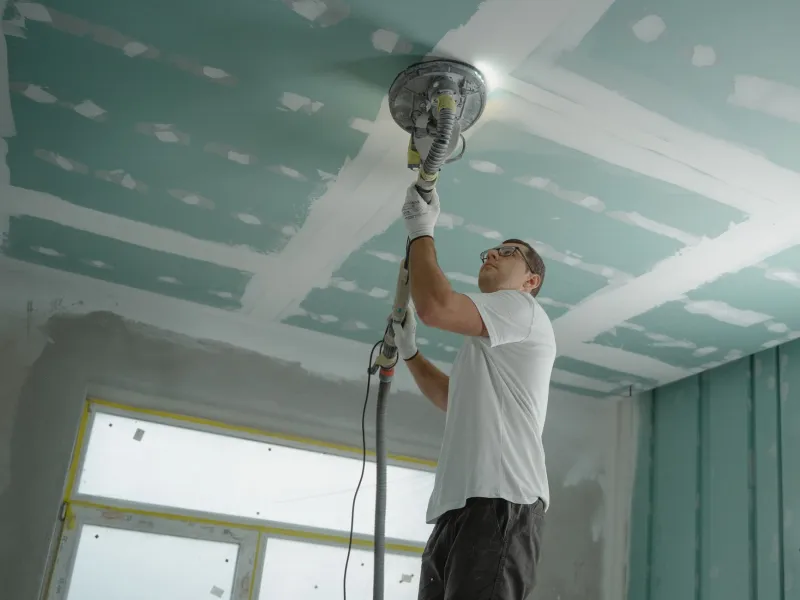
A regular deep clean deals with everyday grime, limescale and kitchen grease. A post-renovation clean deals with construction residue: plaster splashes, paint mist, silicone smears, adhesive, grout haze, sawdust, brick dust and the kind of fine powder that seems to travel through closed doors.
That changes both the method and the time. You may need extra dust sheets, a HEPA vacuum, more cloths than usual, and several passes over the same surface. You may also need to clean areas that weren’t part of the original conversation, like inside cupboards, on top of door frames, inside window reveals, or around newly fitted radiators.
That’s why a builders’ clean should be priced as its own service, not as an add-on to your standard hourly rate. The rate can stay the same, but the estimated hours and the scope need to reflect what you’re actually walking into.
Walk the Job Before You Price It
Photos and a phone description are useful, but they rarely show the full picture. Where possible, visit before quoting. If that’s not practical, ask for a short video walkthrough and a written list of what the builder has and hasn’t finished.
Look for the awkward stuff: paint spots on glass, plaster on skirting boards, dust inside sockets, residue on tiles, film on worktops, and debris in corners that a brush will only push around. Check whether there’s hot water, power, parking and somewhere to empty dirty buckets. Ask where the waste is going and whether the skip is still on site.
A simple question saves a lot of grief: what exactly is the builder responsible for? If they’re coming back to snag silicone, touch up paint or refit a bath panel, your clean shouldn’t be booked until that’s done. Otherwise you’ll be cleaning around someone else’s unfinished work and getting blamed for the result.
Price the Labour in Passes, Not Hope
A builders’ clean usually needs more than one pass. The first is rough removal: bagging debris, vacuuming dust, clearing the worst of the plaster and paint residue. The second is detail work: skirting boards, frames, handles, tiles, glass and fitted surfaces. The third is a final dust-down and inspection after the air has had a chance to settle.
Build that into your time estimate. A room that takes forty minutes on a normal clean might take two hours after a renovation, especially if there’s paint on the glass or dust in every groove. Add time for moving furniture, protecting floors and getting rid of the waste you’ve created.
If you quote a fixed price, make it clear what it covers and what happens if the job is bigger than described. A line like ‘additional work will be charged at £X per hour, agreed before it starts’ is not unfriendly. It’s just sensible.
The Waste Question Needs Its Own Line
Builders’ waste is not the same as household rubbish. If you’re removing offcuts, packaging, old sealant tubes or rubble, that’s a cost and a legal responsibility. In the UK, business waste has to be handled properly, and you shouldn’t be putting it in a client’s domestic bin or the back of your car without checking the rules.
Decide in advance whether waste removal is included. If it is, price it: skip hire, a licensed waste carrier, tip charges, your time and the vehicle space you’ll lose. If it isn’t, say so clearly and ask the client to confirm the builder has cleared their own mess before you arrive.
This is one of the most common sources of bad feeling on post-renovation jobs. The client thinks ‘clean’ means ‘empty the room of everything except the furniture’. You think ‘clean’ means ‘wipe the surfaces’. Put it in writing before the first bin bag is filled.
Set Boundaries Around Snagging and Callbacks
A builders’ clean will reveal defects. Paint will be thin in a corner, silicone will be messy, a tile will be slightly out of line, or a window will have a scratch that was there before you arrived. None of that is cleaning. It’s snagging, and it belongs to the trades who did the work.
Be polite but clear about this from the start. Your job is to remove dust and residue, not to fix finishes. If the client wants a final dust-down after the builder returns, that’s a separate visit and should be priced as one.
Callbacks need a boundary too. Dust can settle for a day or two after a renovation, especially if vents and radiators have been disturbed. Agree a short window for a return visit to deal with settling dust, and state that it doesn’t cover new work, newly discovered defects or areas that weren’t included in the original quote.
Quote Wording That Saves Arguments
Keep the quote plain and specific. List the rooms and surfaces included, the access arrangements, whether waste removal is included, and what you need before you start. Add a short exclusions list: paint removal from delicate surfaces, silicone replacement, hazardous materials, moving heavy furniture and any work that requires a trade.
If you take a deposit for one-off jobs, explain what it covers and when it’s refundable. If you don’t, make payment terms clear on the quote so the final invoice doesn’t become a negotiation.
A post-renovation clean can be a good earner. It’s a one-off job with a clear finish line, and clients are often relieved to hand it over. But it only works if the quote reflects the dust, the detail and the disposal. Price the job you’re actually doing, not the one it looked like from the doorway.