One More Thing? Put It on the Menu: Pricing Cleaning Extras Without the Silent Discount

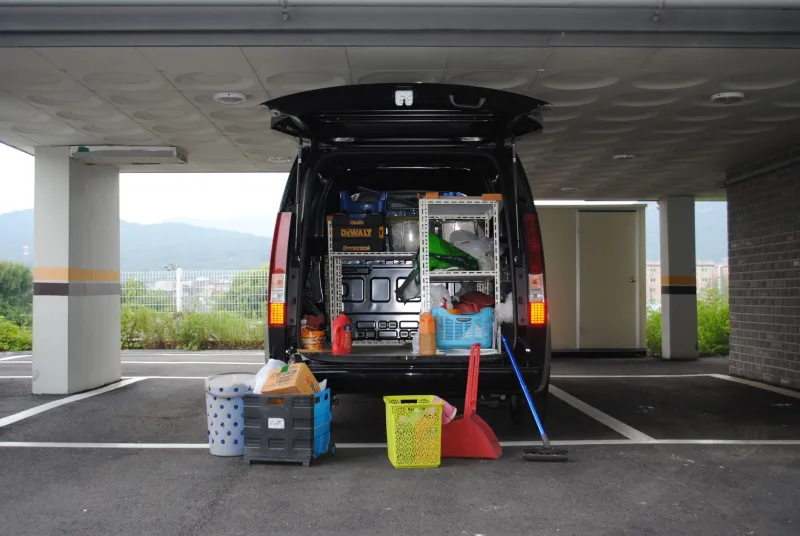
Photo by Photo by BEN ELLIOTT on Unsplash on Unsplash
You are packed up, the kitchen looks decent, and the client smiles. 'While you're here, could you just do the oven?' It sounds tiny. It is not tiny. An oven can swallow 45 minutes, a fridge another half hour, and inside windows can turn a two-hour clean into a three-hour shift. The word 'just' is doing a lot of unpaid work.
The answer is not to become the cleaner who says no to everything. Add-ons are good business. They fill gaps, keep clients happy and increase the average value of a visit. The problem is pricing them by accident. If extras get tacked on for free, your hourly rate quietly drops while your client thinks they have simply asked a reasonable question.
The doorstep ask is a scope problem, not a personality problem
Most cleaners are nice people. That is why the doorstep ask works so well. You are already there, the client is already paying, and refusing feels awkward. But the extra task still has to be costed: time, products, equipment, and the risk that it takes longer than it looks.
A useful rule is to separate the regular clean from the add-on menu. The regular clean is the agreed scope: kitchen surfaces, bathrooms, floors, dusting, bins, whatever is in your quote. The add-on menu covers the jobs that sit outside that scope: ovens, fridges, interior windows, inside cupboards, limescale-heavy showers, skirting boards, inside the microwave, bed changes in a holiday let. These are not favours. They are tasks with a time cost.
Build the menu before you need it
A menu takes the emotion out of the moment. Instead of inventing a price at the door, you point to something you have already decided. Keep it short enough to read on a phone and specific enough to be useful.
For each add-on, write down the typical time band and a price. You do not need to publish a 40-page rate card. A one-page PDF or a simple list in your booking email is enough. For example:
- Oven clean: 45-60 minutes, £35-£55 depending on condition
- Fridge clean: 20-30 minutes, £15-£25
- Interior windows: 15-30 minutes, £20-£35
- Inside cupboards: 30-45 minutes, £25-£45
- Shower limescale treatment: 20-40 minutes, £20-£40
Those figures are examples, not a national price list. The important part is the structure. You are selling time and effort, not just a bottle of degreaser. Adjust the numbers to your area, your costs and your target hourly rate.
Add a minimum charge for small extras. If a client asks for a five-minute job, you still have to get the kit out, do it properly and pack up again. A 30-minute minimum add-on charge stops the 'just quickly' requests from turning into a series of tiny unpaid jobs. It also makes the menu easier to administer.
Price the time, then add something for the hassle
Do not simply multiply your hourly rate by the task time and call it done. If your target rate is £30 an hour, 45 minutes is £22.50. An oven clean at £22.50 leaves nothing for blades, oven gel, cloths, the extra rinse time, or the chance that the oven is much worse than the photo suggested.
Price the add-on as a small package. That means labour plus consumables plus a bit of margin for the unknown. It also gives you room to say 'from £35' rather than tying yourself to a number that only works on a lightly used oven. If the oven is a horror show, you need a condition clause: 'Prices assume a standard domestic oven; heavy carbon build-up may need a higher quote.'
Tell the client before the van arrives
The best time to talk about extras is at booking, not at the door. When you send the quote, include a line such as: 'The quote covers the regular clean listed above. Extras like ovens, fridges and interior windows are priced separately on the add-on menu.' That one sentence prevents a lot of confusion.
Then send a short pre-visit message. Something like: 'Looking forward to Thursday. If you would like to add an oven or fridge clean, let me know by Wednesday evening so I can bring the right kit and allow enough time.' This does two things. It gives the client a chance to book the extra properly, and it gives you a reason to say no to a last-minute request without sounding difficult.
Scripts for the 'just one more thing' moment
Scripts are not about sounding robotic. They are about having a fair answer ready when your brain is focused on packing the car.
When you can fit it in: 'I can do that today. It is an add-on and takes about 30 minutes, so it would be £X. Would you like me to add it now or book it for next time?'
When you cannot fit it in: 'I have not got the right products or enough time today, but I can add it to your next visit for £X. Shall I put it in the diary?'
When the client says it is quick: 'I understand why it looks quick, but an oven clean takes me about 45 minutes if I do it properly. It is £X as an add-on. Do you want me to include it?'
When it keeps happening: 'I am happy to include the fridge clean every visit, but that changes the regular price to £X. I can send over the updated quote.'
Notice that none of these scripts apologise for charging. The tone is helpful and neutral. You are not punishing the client. You are explaining the scope.
Decide your goodwill limit in advance
There is nothing wrong with the occasional freebie. Changing a bin liner or wiping a mark off a door is not the same as cleaning an oven. The danger is having no limit. If you decide to absorb small extras, set a rule: five minutes maximum, once in a while, and never on a job where the client is already asking for more than the agreed scope.
Keep a simple log of add-on requests for a few months. Note what was asked for, how long it took and what you charged. By the end of 2026, you will have real data rather than a vague feeling that jobs are running long. That log is also useful when you review your menu. If oven cleans always take an hour, your 45-minute band is fiction.
Add-ons should make a cleaning round more profitable, not more frantic. A written menu, a minimum charge and a sentence at booking time will not stop every doorstep request, but they will stop you from giving away the extra hour for free.