The Consent Conversation: Turning Before-and-After Photos Into Trust, Not Trouble
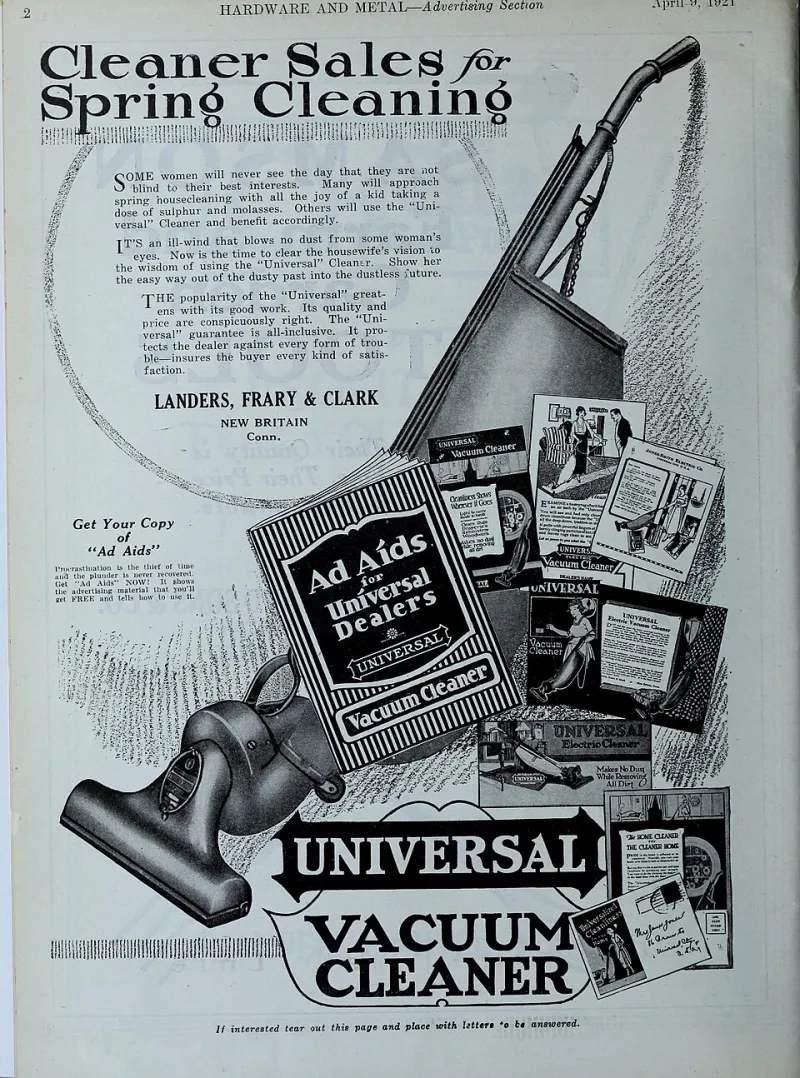
Photo: Internet Archive Book Images, No restrictions, via Wikimedia Commons
Before-and-after photos are the closest thing a cleaner has to a shop window. A grimy oven door on the left, a gleaming one on the right, and suddenly your quote looks less like a number and more like a result. The problem is that the “before” shot often captures more than grease. It captures a client’s home, their belongings and sometimes their post. Post it without thinking and you have not just shared a cleaning triumph — you have shared personal data.
This is not about being paranoid. It is about being professional. A simple consent conversation protects the client, protects you and, done well, makes your marketing feel warmer rather than sneakier.
Why consent is a client-management job, not a paperwork job
Under UK GDPR, a photo of someone’s home can count as personal data if the person can be identified — directly or indirectly. A house number, a distinctive kitchen, a named review or a location tag can all join the dots. Tenancy agreements may also restrict photography or marketing inside a rented property. And if the person who hired you is a tenant, an Airbnb guest or a letting agent’s contractor, the person paying the invoice may not be the person whose permission matters most.
So treat consent as part of client management. You are not asking for a legal waiver over the kitchen sink. You are asking a straightforward question: may I use a photo of this clean, without showing anything that identifies you?
The 30-second ask that usually gets a yes
Timing matters. Ask at the end of a job when the client is delighted, not in the first message when they are still deciding whether to trust you. A short, specific request works better than a vague one.
Try something like: “I’m really pleased with how the oven came up. Would you be happy for me to take a close-up before-and-after photo for my website and social media? I’ll crop out anything personal — no house numbers, photos or documents — and I won’t use your name unless you say I can.”
Then get the answer in writing. A text, email or a tick-box on your booking form is fine. Keep it with the job record. If you use a simple form, include what you will photograph, where you will publish it, whether the client wants to be named and how they can withdraw permission later.
What to shoot — and what to leave alone
Good cleaning photos are close, bright and specific. Shoot the oven interior, the shower screen, the hob, a patch of carpet, the inside of a fridge or a kitchen worktop. Use natural light where you can. Take the “before” before you start and the “after” from the same angle, so the comparison is honest.
Never shoot people, reflections in mirrors, documents, screens, medication, keys, alarm panels, house numbers or children’s belongings. Avoid wide shots of bedrooms and bathrooms unless you have a very clear reason and explicit consent. A tight shot of a sparkling sink tells the story better than a wide shot of someone’s laundry pile.
If a client has valuables or personal photos on display, move them out of frame or shoot a different area. Do not move anything you would not normally move during a clean. And check the photo on your phone before you leave — zoom in. A crisp image of a letter on the hall table is exactly the kind of detail that turns a marketing asset into a complaint.
Anonymise before you publish
Cropping is your first tool. Blurring is your second. Remove location data from the image file before uploading, and avoid captions like “Lovely end-of-tenancy in Elm Road”. Use the town or city at most, and only if the client is comfortable. If the property is distinctive — a colourful front door, an unusual kitchen — consider using a tight crop rather than the full room.
Do not rely on a blur alone if the background is still recognisable. And do not assume that because a photo is on your own website, it is somehow private. It is still publishing.
When the landlord, agent or host owns the property
This is where cleaners get caught out. A tenant can hire you and happily agree to photos, but the tenancy agreement may say the landlord must approve marketing images. A letting agent may have its own rules. An Airbnb host may be fine with a before-and-after of a bathroom, but the guest’s belongings should never appear.
Ask a simple follow-up question: “Is this property rented, and do you need the landlord or agent to approve marketing photos?” If the answer is yes, get their written okay too, or skip the photo. For short-let changeovers, get consent from the host or property manager, not the departing guest. If the host is not the owner, ask them to confirm they have authority to approve.
From photo to testimonial to referral
A photo gets attention. A named testimonial gets trust. Ask separately: “Would you also be happy to give me a short quote and let me use your first name and town?” Keep it modest — “Sarah, Leeds” is plenty. Do not publish full addresses, job dates or anything that lets a stranger work out which house you cleaned.
Then make the referral ask easy. A happy client who has just agreed to a photo is often happy to send your details to a neighbour. Give them a short message they can forward. It is less effort for them and more effective for you than a generic “please recommend me” line.
Have a simple consent record
You do not need fancy software. A spreadsheet with the client name, property, date, what was agreed, where it will be used and whether the client wants to be named is enough. Add a column for withdrawal. If someone changes their mind, take the image down promptly and note it. That is good client management and good data practice in one.
If they say no, say thank you
Some clients will decline. Some will agree to close-ups but not wide shots. Some will say yes to your website but no to social media. That is fine. Respect the boundary, offer an anonymised alternative if it suits, and move on. The clients who trust you with their homes are worth more than any single Instagram post.
A before-and-after photo should feel like a celebration of good work, not a sneaky snapshot. Ask clearly, shoot tightly, publish carefully and keep a record. Do that and the next clean is not just sold by a picture — it is sold by the fact that you handled the picture like a professional.