Read the Small Print Before the Spill: Cover That Actually Pays When a Cleaning Job Goes Wrong
Insurance is one of those purchases you make hoping never to use it. You get the certificate, the client asks for a copy, and it goes in a folder. Job done. Then a bottle of bleach goes over a limestone floor, a client rings to say £700 has vanished from a bedroom drawer, or a cleaner twists an ankle in an empty office at 6am. That is when the folder gets opened in a hurry.
Public liability cover is not a magic wand. It responds to specific things, under specific conditions, and it will not paper over every gap in how you run the business. The following are the areas where cleaning firms most often discover, too late, that the policy and the job did not match.
The domestic policy doing a commercial job
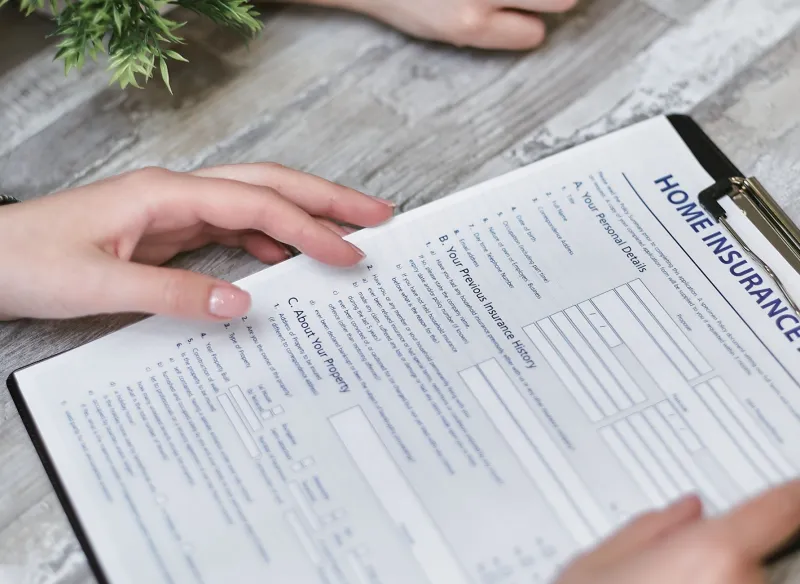
A surprising number of small cleaning operations start with a home insurance policy extended to 'business use', or a cheap online policy bought in a hurry. Neither is built for cleaning other people's premises.
Standard home policies usually exclude business activities, and even a business extension may limit cover to clerical work from home rather than physical cleaning at client sites. If you clean offices, holiday lets, salons or communal areas, you need a commercial cleaning policy. Ask directly: does this cover cleaning services carried out at client premises, and is the indemnity limit per claim or in total?
Commercial clients frequently demand a £5 million or £10 million public liability limit in their contract. Check that your certificate shows the limit they require, and check whether you have cover for damage to property in your care, custody or control. That last phrase matters when you are holding keys, moving items to clean behind them, or storing a client's equipment between visits.
When the product came from the client
Client-supplied products are a recurring theme in cleaning claims. A client insists you use their imported marble cleaner, their old bottle of oven spray, or a homemade mixture left in an unlabelled container. Something is damaged or someone reacts badly to the fumes. The insurer asks who supplied the product and whether you assessed it.
Public liability may still respond to damage you cause, but the claim gets harder if you cannot show any judgement was applied. Keep a simple record: what was used, who supplied it, what the label said, and whether you diluted it. If a client-supplied product looks unsuitable or unlabelled, say so in writing before you use it. A short email saying 'we are not able to use this product because it has no safety information; we will use our own pH-neutral cleaner unless you instruct otherwise' is worth more than a paragraph of policy wording.
Check too whether your policy excludes damage caused by products you supplied but did not manufacture. Some do, or they push you back to the manufacturer. If you buy in bulk and decant into unmarked bottles, you have made a rod for your own back.
Keys, fobs and alarm codes
Losing a client's keys is rarely a huge financial loss in itself. Replacing a lock, a fob and an alarm code can run to a few hundred pounds. The problem is the knock-on cost. A landlord may insist on a full lock change for every tenant. A commercial client may need the alarm system reprogrammed and new fobs issued to twenty staff.
Many public liability policies exclude loss of keys or limit it severely. Some offer a small 'loss of keys' extension. Ask your broker whether keys are covered, up to what amount, and whether the excess makes a claim pointless. If the answer is unsatisfactory, either buy the extension or build a key-handling process that makes loss less likely: a signed key register, numbered tags with no client address, and a single named person responsible for the bunch.
Working alone, with no witness
Lone working is normal in this trade, and most of the time it is fine. But if an incident happens — a fall, a chemical splash, a client's item broken — you may be the only person who saw it. Insurers are understandably wary of claims where the only account is the claimant's.
This is where documentation earns its keep. A time-stamped incident note, a photo of the spill before you cleaned it, a copy of the risk assessment for that site and a record of the training the cleaner had completed all make a claim look ordinary rather than suspicious. Insurers do not expect perfection. They do expect a business that behaves like a business.
Questions worth putting to a broker
- Does the policy cover cleaning at client premises, including deep cleans and end-of-tenancy work?
- What is the public liability limit, and is it per claim or in the aggregate?
- Are client-supplied products and their consequences covered or excluded?
- Is loss of keys covered, and what is the excess?
- Are subcontractors covered, or must they carry their own cover?
- Does the policy cover treatment risks, such as damage from a stain treatment that was not guaranteed to work?
- What are the notification conditions if something goes wrong?
Those last two catch people out. 'Claims made' policies respond based on when the claim is notified, not when the work happened, so a late notification can sink an otherwise valid claim. And treatment risk is often excluded because cleaning chemicals can damage surfaces even when used correctly. If you offer stain removal or specialist treatments, say so and get it in writing.
The boring bits that decide claims
When a claim lands, the insurer will ask for the contract, the risk assessment, the method statement, the COSHH information, the cleaner's training record and your incident report. If you cannot produce them, the claim may still be paid, but the conversation gets longer and less friendly.
Keep a folder per client: signed terms, site-specific risk assessment, key receipt, product list, and a log of any incidents, however small. Photograph damage before and after. Report anything unusual to the client the same day in writing. Never admit liability on the spot, however tempting it is to smooth things over.
None of this is glamorous. But insurance is not there to make you feel covered. It is there to pay out on the day you least want a debate. Read the small print before the spill, not after.